Ways to Finance Solar Panels in the UK
With rising electricity bills and growing environmental awareness, the demand…

Why you can trust our content
We know that the solar industry is full of misinformation, but we only use reliable sources, including:


At a glance
With rising electricity bills and growing environmental awareness, the demand for solar panel installations across the UK has soared. More households and businesses are turning to sustainable energy solutions to reduce their carbon footprint and gain greater control over their energy costs. However, despite the environmental and long-term financial benefits of solar power, the initial cost of purchasing and installing a system can present a significant hurdle.
That’s where solar panel financing options come into play—making it easier to adopt solar energy without the need for a large upfront payment.
From green energy loans to Power Purchase Agreements (PPAs), UK property owners now have access to a range of flexible financing solutions. Whether you’re a homeowner upgrading your energy setup or a business investing in sustainability, understanding how to finance your solar system is crucial. If you’re already considering the installation of an EV charger in Sussex, it’s likely you’re also thinking about aligning your home energy infrastructure with renewable sources like solar power.
This blog takes a closer look at the main solar panel financing options available in the UK, the government incentives that support solar adoption, and the key factors to consider when reviewing contracts. By the end, you’ll have the insight needed to make an informed financial decision—and take your first step towards clean, cost-effective energy.
What Are the Main Options for Financing Solar Panels in the UK?
The three most common ways to fund a solar panel system in the UK are:
- Outright Purchase
- Green Loans or Personal Loans
- Leasing or Power Purchase Agreements (PPAs)
Each approach has its advantages and is suited to different financial goals and property types.
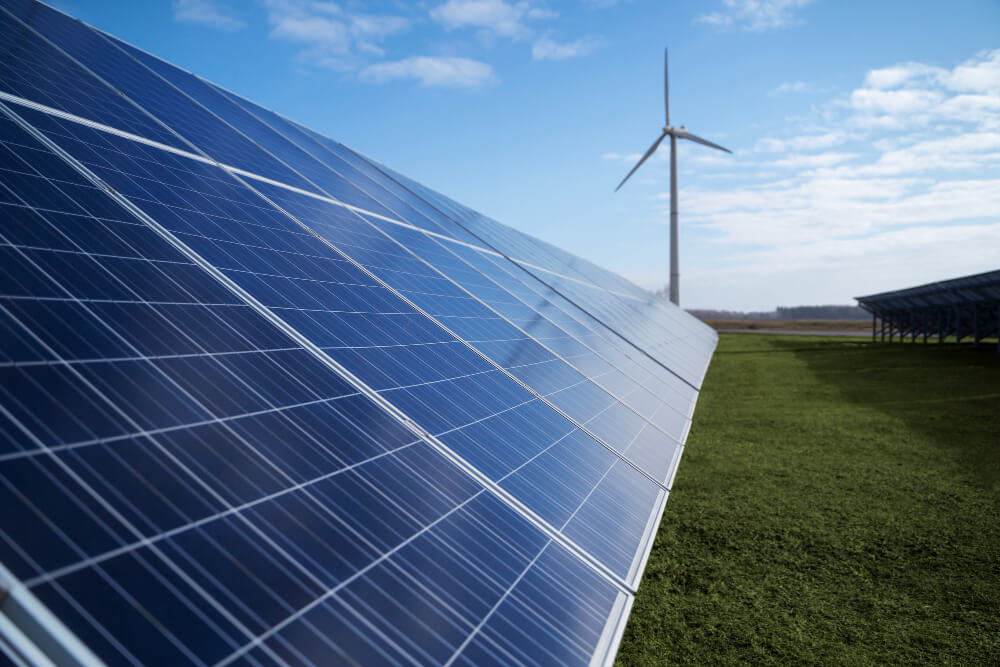
1. Buy Outright (Pay Upfront)
Purchasing solar panels outright means you take full ownership of the system. In the UK, a typical 4kW solar panel system costs between £5,000 and £8,000. This option is ideal for homeowners with available capital who wish to maximise their long-term savings.
Advantages of paying upfront:
While the initial outlay is significant, it is generally recouped within 6 to 10 years through reduced electricity bills. For those looking at solar as a long-term investment, this is usually the most cost-effective approach.
2. Green Energy Loans
Green loans are available from major UK banks and specialist lenders, allowing you to spread the cost of solar panels over 5 to 15 years via fixed monthly repayments.
Key features of green energy loans:
Green loans make solar energy more accessible to households without substantial savings. In many cases, monthly repayments are balanced out by the energy cost savings, meaning the system can effectively pay for itself.
Well-known lenders such as Triodos Bank, NatWest, and Barclays offer dedicated green finance packages for environmentally conscious homeowners. If you’re looking to combine solar panels with other green technologies—such as battery storage or electric vehicle (EV) chargers—green loans can often cover these as well.

What type of property do you have?

Detached House

Semi Detached House

Terraced House

Flat or Apartment
Bungalow
It just takes 2 minutes
And then you can book a free consultation
Solar Leasing and Power Purchase Agreements (PPAs): Pay-As-You-Go Options
Leasing and PPAs allow you to install solar panels with little to no upfront cost. Rather than owning the system yourself, a third party owns and maintains it while you pay:
- A fixed monthly lease fee
or - A variable rate based on the electricity the system generates (PPA model).
These arrangements are particularly common for commercial properties or large residential installations. They enable you to benefit from clean, renewable energy without the responsibility of system maintenance.
However:
- You may not be eligible for all government incentives.
- You won’t own the system (unless your agreement includes an option to purchase it).
- Moving house can complicate the process of transferring the lease.
Solar Leasing and Power Purchase Agreements (PPAs): Pay-As-You-Go Options
Leasing and PPAs allow you to install solar panels with little to no upfront cost. Rather than owning the system yourself, a third party owns and maintains it while you pay:
- A fixed monthly lease fee,
or - A variable rate based on the electricity the system generates (PPA model).
These arrangements are particularly common for commercial properties or large residential installations. They enable you to benefit from clean, renewable energy without the responsibility of system maintenance.
However:
- You may not be eligible for all government incentives.
- You won’t own the system (unless your agreement includes an option to purchase it).
- Moving house can complicate the process of transferring the lease.
Despite these considerations, leasing or PPAs can be a great choice if you’re looking for immediate savings without a large upfront investment.
Is Solar Financing Right for Your Property?
Choosing the right solar financing option depends on several key factors:
- Your average monthly energy consumption
- How much capital you can invest upfront
- Whether you plan to stay in the property long-term
- Your eligibility for local, state, or federal incentives
Solar is especially beneficial for properties with high electricity usage and ample direct sunlight. Homes in suburban or rural areas with south-facing roofs are typically ideal candidates.
If you’re already working with Suntech Energy to implement renewable energy solutions, financing can help you expand your eco-upgrades—like adding battery storage or electric vehicle charging stations—without straining your budget.
For businesses, solar financing offers a smart way to reduce energy costs and improve financial forecasting with low, fixed-rate options. It also enhances your company’s sustainability profile and corporate social responsibility (CSR) efforts.
How Government Incentives Support Solar Panel Financing
The UK government provides a range of schemes and incentives to help make solar energy more affordable:
1. Smart Export Guarantee (SEG)
The SEG has replaced the previous Feed-in Tariff (FiT). Under this scheme, homeowners are paid for any surplus electricity they export back to the National Grid.
2. VAT Exemption on Solar Panels (Until March 2027)
To support the move towards greener homes, domestic solar panel installations are currently subject to 0% VAT, reducing the overall cost for homeowners.
3. Local Authority Grants
- Some local councils—such as those in Sussex and other parts of the UK—offer financial assistance to households installing energy-efficient technologies. This support may include:
- Low-interest green loans
- Installation subsidies
- Property-linked incentives
Always consult a qualified installer to confirm your eligibility and ensure that all work complies with current regulations.
Top UK Banks and Lenders for Green Energy Loans
Here are some of the most reputable UK financial institutions offering financing for solar panels:
| Bank / Lender | Features | Best Suited For |
| Barclays | Green Home Mortgage | New homeowners installing solar panels |
| Triodos Bank | Green energy loans with impact reporting | Ethical investors |
| HSBC | Home improvement loans up to £25,000 | Existing customers |
| Abundance Investment | Community-based renewable energy projects | Group solar panel installations |
| NatWest | Climate Saver Mortgage | First-time buyers and those remortgaging |
Let me know if you’d like this reformatted or adapted for a specific use (e.g., website, brochure).
What to Watch for in Solar Financing Contracts
Interest Rates vs. APR
Don’t focus solely on the interest rate—look at the Annual Percentage Rate (APR). This figure includes all associated costs like fees, administrative charges, and insurance, giving you a more accurate picture of the loan’s true cost.
Early Repayment Terms
Some solar loans come with penalties for early repayment. Review the fine print carefully, especially if you might refinance or pay off the loan ahead of schedule. Flexibility can make a big difference in the long run.
Ownership Options in Lease or PPA Agreements
Not all leasing or Power Purchase Agreements (PPAs) offer a path to ownership. If owning your solar system is important to you, make sure this option is clearly stated in the contract before signing.
Transferability When Selling Your Home
Planning to sell your property in the future? Ensure the financing contract can transfer to the new homeowner without complications. A restrictive agreement can impact your ability to sell smoothly.
A reputable installer or financial advisor can help you understand these terms and avoid hidden costs later.
Can You Finance Solar Panels with No Upfront Cost?
Yes—many UK solar providers offer “no money down” financing options. These often take the form of:
- Lease-to-own programs
- Fixed monthly solar loans
- Split incentive models
where energy savings offset your payments
These setups are great for homeowners who want immediate access to solar energy without the large initial investment.
Just be sure to evaluate the total cost over time. Lower upfront payments can sometimes come with higher interest rates or long-term fees.
Final Thoughts
With energy bills on the rise and growing climate concerns, going solar isn’t just environmentally responsible—it makes solid financial sense.
Today’s UK market offers more flexible and accessible solar financing options than ever. Government incentives sweeten the deal, making it a smart time to make the switch.
Whether you’re paying upfront, taking out a green loan, or exploring no-deposit options, focus on:
- Your financial readiness
- Your home’s solar potential
- Your long-term energy goals
A trusted provider like Suntech Energy can help you navigate both the technical setup and the financial details—ensuring your solar journey starts off right.
Related articles
What type of property do you have?
Detached House
Semi Detached House
Terraced House
Flat or Apartment
Bungalow
At a glance
With rising electricity bills and growing environmental awareness, the demand for solar panel installations across the UK has soared. More households and businesses are turning to sustainable energy solutions to reduce their carbon footprint and gain greater control over their energy costs. However, despite the environmental and long-term financial benefits of solar power, the initial cost of purchasing and installing a system can present a significant hurdle.
That’s where solar panel financing options come into play—making it easier to adopt solar energy without the need for a large upfront payment.
From green energy loans to Power Purchase Agreements (PPAs), UK property owners now have access to a range of flexible financing solutions. Whether you’re a homeowner upgrading your energy setup or a business investing in sustainability, understanding how to finance your solar system is crucial. If you’re already considering the installation of an EV charger in Sussex, it’s likely you’re also thinking about aligning your home energy infrastructure with renewable sources like solar power.
This blog takes a closer look at the main solar panel financing options available in the UK, the government incentives that support solar adoption, and the key factors to consider when reviewing contracts. By the end, you’ll have the insight needed to make an informed financial decision—and take your first step towards clean, cost-effective energy.
What Are the Main Options for Financing Solar Panels in the UK?
The three most common ways to fund a solar panel system in the UK are:
- Outright Purchase
- Green Loans or Personal Loans
- Leasing or Power Purchase Agreements (PPAs)
Each approach has its advantages and is suited to different financial goals and property types.
1. Buy Outright (Pay Upfront)
Purchasing solar panels outright means you take full ownership of the system. In the UK, a typical 4kW solar panel system costs between £5,000 and £8,000. This option is ideal for homeowners with available capital who wish to maximise their long-term savings.
Advantages of paying upfront:
While the initial outlay is significant, it is generally recouped within 6 to 10 years through reduced electricity bills. For those looking at solar as a long-term investment, this is usually the most cost-effective approach.
2. Green Energy Loans
Green loans are available from major UK banks and specialist lenders, allowing you to spread the cost of solar panels over 5 to 15 years via fixed monthly repayments.
Key features of green energy loans:
Green loans make solar energy more accessible to households without substantial savings. In many cases, monthly repayments are balanced out by the energy cost savings, meaning the system can effectively pay for itself.
Well-known lenders such as Triodos Bank, NatWest, and Barclays offer dedicated green finance packages for environmentally conscious homeowners. If you’re looking to combine solar panels with other green technologies—such as battery storage or electric vehicle (EV) chargers—green loans can often cover these as well.
What type of property do you have?
Detached House
Semi Detached House
Terraced House
Flat or Apartment
Bungalow
It just takes 2 minutes
And then you can book a free consultation
Solar Leasing and Power Purchase Agreements (PPAs): Pay-As-You-Go Options
Leasing and PPAs allow you to install solar panels with little to no upfront cost. Rather than owning the system yourself, a third party owns and maintains it while you pay:
- A fixed monthly lease fee
or - A variable rate based on the electricity the system generates (PPA model).
These arrangements are particularly common for commercial properties or large residential installations. They enable you to benefit from clean, renewable energy without the responsibility of system maintenance.
However:
- You may not be eligible for all government incentives.
- You won’t own the system (unless your agreement includes an option to purchase it).
- Moving house can complicate the process of transferring the lease.
Solar Leasing and Power Purchase Agreements (PPAs): Pay-As-You-Go Options
Leasing and PPAs allow you to install solar panels with little to no upfront cost. Rather than owning the system yourself, a third party owns and maintains it while you pay:
- A fixed monthly lease fee,
or - A variable rate based on the electricity the system generates (PPA model).
These arrangements are particularly common for commercial properties or large residential installations. They enable you to benefit from clean, renewable energy without the responsibility of system maintenance.
However:
- You may not be eligible for all government incentives.
- You won’t own the system (unless your agreement includes an option to purchase it).
- Moving house can complicate the process of transferring the lease.
Despite these considerations, leasing or PPAs can be a great choice if you’re looking for immediate savings without a large upfront investment.
Is Solar Financing Right for Your Property?
Choosing the right solar financing option depends on several key factors:
- Your average monthly energy consumption
- How much capital you can invest upfront
- Whether you plan to stay in the property long-term
- Your eligibility for local, state, or federal incentives
Solar is especially beneficial for properties with high electricity usage and ample direct sunlight. Homes in suburban or rural areas with south-facing roofs are typically ideal candidates.
If you’re already working with Suntech Energy to implement renewable energy solutions, financing can help you expand your eco-upgrades—like adding battery storage or electric vehicle charging stations—without straining your budget.
For businesses, solar financing offers a smart way to reduce energy costs and improve financial forecasting with low, fixed-rate options. It also enhances your company’s sustainability profile and corporate social responsibility (CSR) efforts.
How Government Incentives Support Solar Panel Financing
The UK government provides a range of schemes and incentives to help make solar energy more affordable:
1. Smart Export Guarantee (SEG)
The SEG has replaced the previous Feed-in Tariff (FiT). Under this scheme, homeowners are paid for any surplus electricity they export back to the National Grid.
2. VAT Exemption on Solar Panels (Until March 2027)
To support the move towards greener homes, domestic solar panel installations are currently subject to 0% VAT, reducing the overall cost for homeowners.
3. Local Authority Grants
- Some local councils—such as those in Sussex and other parts of the UK—offer financial assistance to households installing energy-efficient technologies. This support may include:
- Low-interest green loans
- Installation subsidies
- Property-linked incentives
Always consult a qualified installer to confirm your eligibility and ensure that all work complies with current regulations.
Top UK Banks and Lenders for Green Energy Loans
Here are some of the most reputable UK financial institutions offering financing for solar panels:
| Bank / Lender | Features | Best Suited For |
| Barclays | Green Home Mortgage | New homeowners installing solar panels |
| Triodos Bank | Green energy loans with impact reporting | Ethical investors |
| HSBC | Home improvement loans up to £25,000 | Existing customers |
| Abundance Investment | Community-based renewable energy projects | Group solar panel installations |
| NatWest | Climate Saver Mortgage | First-time buyers and those remortgaging |
Let me know if you’d like this reformatted or adapted for a specific use (e.g., website, brochure).
What to Watch for in Solar Financing Contracts
Interest Rates vs. APR
Don’t focus solely on the interest rate—look at the Annual Percentage Rate (APR). This figure includes all associated costs like fees, administrative charges, and insurance, giving you a more accurate picture of the loan’s true cost.
Early Repayment Terms
Some solar loans come with penalties for early repayment. Review the fine print carefully, especially if you might refinance or pay off the loan ahead of schedule. Flexibility can make a big difference in the long run.
Ownership Options in Lease or PPA Agreements
Not all leasing or Power Purchase Agreements (PPAs) offer a path to ownership. If owning your solar system is important to you, make sure this option is clearly stated in the contract before signing.
Transferability When Selling Your Home
Planning to sell your property in the future? Ensure the financing contract can transfer to the new homeowner without complications. A restrictive agreement can impact your ability to sell smoothly.
A reputable installer or financial advisor can help you understand these terms and avoid hidden costs later.
Can You Finance Solar Panels with No Upfront Cost?
Yes—many UK solar providers offer “no money down” financing options. These often take the form of:
- Lease-to-own programs
- Fixed monthly solar loans
- Split incentive models
where energy savings offset your payments
These setups are great for homeowners who want immediate access to solar energy without the large initial investment.
Just be sure to evaluate the total cost over time. Lower upfront payments can sometimes come with higher interest rates or long-term fees.
Final Thoughts
With energy bills on the rise and growing climate concerns, going solar isn’t just environmentally responsible—it makes solid financial sense.
Today’s UK market offers more flexible and accessible solar financing options than ever. Government incentives sweeten the deal, making it a smart time to make the switch.
Whether you’re paying upfront, taking out a green loan, or exploring no-deposit options, focus on:
- Your financial readiness
- Your home’s solar potential
- Your long-term energy goals
A trusted provider like Suntech Energy can help you navigate both the technical setup and the financial details—ensuring your solar journey starts off right.
Related articles
What type of property do you have?
Detached House
Semi Detached House
Terraced House
Flat or Apartment
Bungalow